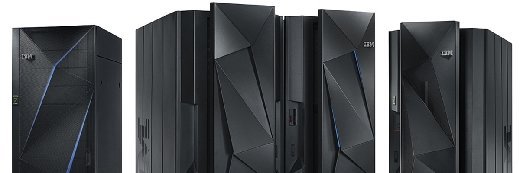
- VSAM (Virtual Storage Access Method ) is an access method for IBM's mainframe operating system, MVS, now called z/OS. VSAM succeeded and expanded upon an earlier IBM file access method, ISAM (Indexed Sequential Access Method). Using VSAM, an enterprise can organize records in a file in physical sequence (the sequential order that they were entered), logical sequence using a key (for example, the employee ID number), or by the relative record number on direct access storage devices (DASD). There are four types of VSAM data sets: - Entry Sequenced Data Set (ESDS)
- Key Sequenced Data Set (KSDS)
- Linear Data Set (LDS)
- Relative Record Data Set (RRDS)
VSAM records can be of fixed or variable length. Many corporations run both old and new applications on mainframes that access VSAM files (also called data sets). IBM now promotes DB2, a relational database management system, although VSAM linear datasets are still used to contain tablespaces and indexspaces within the system. Keyed sequence VSAM is also used by DB2 for the Boot Strap Dataset (BSDS).

 |
Learn more about Data center storage |
| Getting a handle on tiered storage: Tiered storage is attracting more attention from business and IT departments, but some important issues are still misunderstood. |
| Special Report: Storage clusters: Clustered servers have become a mainstay of the data center, and now clustering is becoming the preferred technology for making storage more scalable, reliable and manageable. |
| Fast Reference: Storage: DAS, NAS, SAN? You know what they are, but how about a guide to knowing what's what? This Fast Reference gives the key points to each storage technology--including the pros and cons. |
| Storage performance testing -- Introduction: Every storage administrator is concerned with system performance. |
| Checklist: Eight no-nonsense steps to buying storage products: This checklist will help you make storage-related decisions and purchases based on a simple process used by the Evaluator Group. |
| Data center storage fast guide: We've put this data center storage fast guide together on all the basics, as well as information on how to put together a storage team, and troubleshooting. |
| Fast Reference: Storage: DAS, NAS, SAN? You know what they are, but how about a guide to knowing what's what? This Fast Reference gives the key points to each storage technology--including the pros and cons. |
| Learning Guide: Low-cost storage: SearchStorage.com's editors have put together a low-cost Learning Guide to help the beginner, as well as the seasoned storage veteran, navigate low-cost technology. |
| Getting started with Sun ZFS file system: Sun's ZFS file system provides simple administration for data management compared with traditional Unix Logical Volume Manager or Veritas Volume Manager. |
| How will SSD fit into the data center?: How will solid state drives (SSD) be used in data center environments, and what does the future hold for storage technologies? |
| CONTRIBUTORS: |
Steve Pratt, Ricardo Palau |
| LAST UPDATED: |
10 May 2006
|
 |
Do you have something to add to this definition? Let us know.
Send your comments to techterms@whatis.com
|

 |
More resources from around the web:
|


');
// -->


 |
 |
|  |
RELATED GLOSSARY TERMS
| Terms from Whatis.com − the technology online dictionary |
 |
Andrew
(SearchDataCenter.com)
|
 |
MVS
(SearchDataCenter.com)
MVS (Multiple Virtual Storage) is IBM's best-known operating system for mainframe and large server computers.
|
|

|