motherboard tattoo

What is a motherboard tattoo?
A motherboard tattoo is a colloquial term once used to denote an ID code that is written in the basic input/output system (BIOS) of a computer to uniquely identify the computer. The ID code is used to ensure that system restore, or diagnostic CDs will only work with the computer they come with. It is set by the OEM or system integrator.
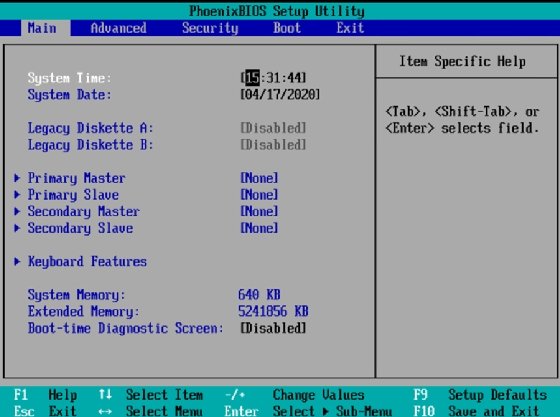
The motherboard tattoo is stored in the motherboard erasable programmable read-only memory (EPROM or EEPROM) chip. This also stores the BIOS, computer serial number and component details. If certain hardware components of the system are changed, the original motherboard identifying information may no longer match the original tattoo. If the tattoo does not match the operating system recovery media, it may not be useable.
Equipment manufacturers sell computers with preinstalled licensed operating systems (OSes), such as Microsoft Windows. In the past, these systems would include either an OS restore CD or the ability to create one. The license for the OS was included with the CD. To prevent the restore disk with OS license from being used on another computer the CD would be set to only work with computers with a matching motherboard tattoo.
What is the motherboard UUID?
The use of motherboard tattoos as a form of verification for OS activation has been mostly replaced by online OS activation. Most motherboards now have a universally unique identifier (UUID) and a manufacturer's serial number. Even virtual machines have a UUID associated with the virtual hardware.
For Windows OS, the UUID and other hardware-identifying information are collected and sent to Microsoft as the identifiers for the Windows OS activation. The Windows license is tied to the motherboard's UUID and if it detects that the UUID is changed it will require reactivation.
Gaming hardware bans
Many competitive online computer games collect hardware information, including the motherboard tattoo and motherboard UUID. This is used for prevent cheating and griefing (the act of upsetting others in in video games). Violators of the game's code of conduct may have their hardware IDs banned from accessing the game's online features, known as a HWID ban.
Hardware bans are becoming more popular than Internet Protocol (IP) bans as the hardware is difficult for an abuser to replace, while an IP address can be easily changed or may affect innocent users who use the same external IP address.
How to change a motherboard tattoo
Changing the motherboard identifying information is generally not required for average use. This information is stored in the motherboard's EPROM, so the exact process depends on the motherboard model.
Old motherboards may require removing the EPROM chip and writing new information to it using a chip programmer. New motherboards may have manufacturer-provided tools that can flash the information to the motherboard from a boot disk or from within the OS.
Explore computer hardware components and how to change UEFI and BIOS password on Windows 10.